
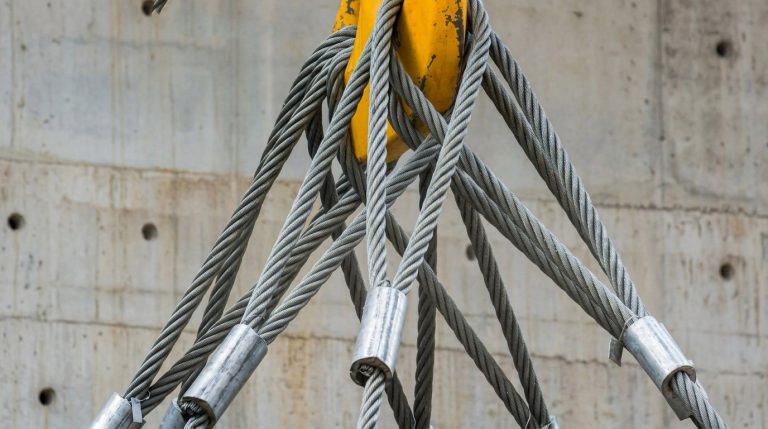
How to Choose the Right Wire Rope Sling for Your Lifting Application
Selecting the right wire rope sling is essential for ensuring safe and efficient lifting operations. A properly chosen sling improves productivity, minimizes equipment wear, and reduces the risk of accidents. Because every lifting job has unique requirements, understanding the key selection factors can help you choose the most suitable wire rope sling for your application.
Understand Your Load Requirements
The first step is to determine the weight and characteristics of the load. Always know the exact load weight before selecting a sling, and ensure that the sling’s Working Load Limit (WLL) exceeds the expected load.
In addition to weight, consider the load’s shape, center of gravity, and lifting points. An uneven load may require a different sling configuration to maintain stability during lifting.
Select the Correct Sling Configuration
The lifting method directly impacts the sling’s load capacity.
Common configurations include:
- Vertical Hitch
- Choker Hitch
- Basket Hitch
- Multi-Leg Bridle Hitch
Each configuration distributes forces differently. For example, a basket hitch generally provides greater lifting capacity than a vertical hitch, while a choker hitch offers better load control but may reduce the sling’s rated capacity.